People first, then lab and animal work
What has Kisspeptin research found so far?
Start with puberty, then see the early human tests and the 2025 study of a spray used in the nose.
What is the short version of the research?
Kisspeptin research shows that the protein can start your body's sex-hormone chain, yet that clear early effect may weaken when the brain hears one steady message. In 2003, scientists learned about the chain from families in which puberty never began. Those people were born with a faulty part on the brain cells that kisspeptin must reach. Tests in cells and animals then showed where the message travels. Human studies gave kisspeptin to healthy adults, women who no longer had periods, and IVF patients. Blood hormones rose, and eggs matured in an IVF study.
I find the limit just as useful as the result. A steady flow can make the brain cells answer less well within days. The sections below tell you who took part, what changed, and where the facts end.
What did families and animals teach us first?
Some families carried a harmful change in the body's instructions for receiving kisspeptin. Family members with that change did not go through puberty. Mice bred without the same working instructions had the same trouble. Together, the findings showed that kisspeptin must reach the right brain cells before the body can become able to have children [1].
Animal work then showed where the message goes. Kisspeptin could not raise the two hormones that guide the sex organs in the altered mice. In sheep, kisspeptin placed near the brain caused a puberty-starting hormone to enter the nearby fluid. A matching blood hormone rose [13]. Early vein tests in healthy men then raised two guiding hormones and testosterone. Families with the harmful change showed the same failure of puberty [16]. The missed contact tied all these results together.
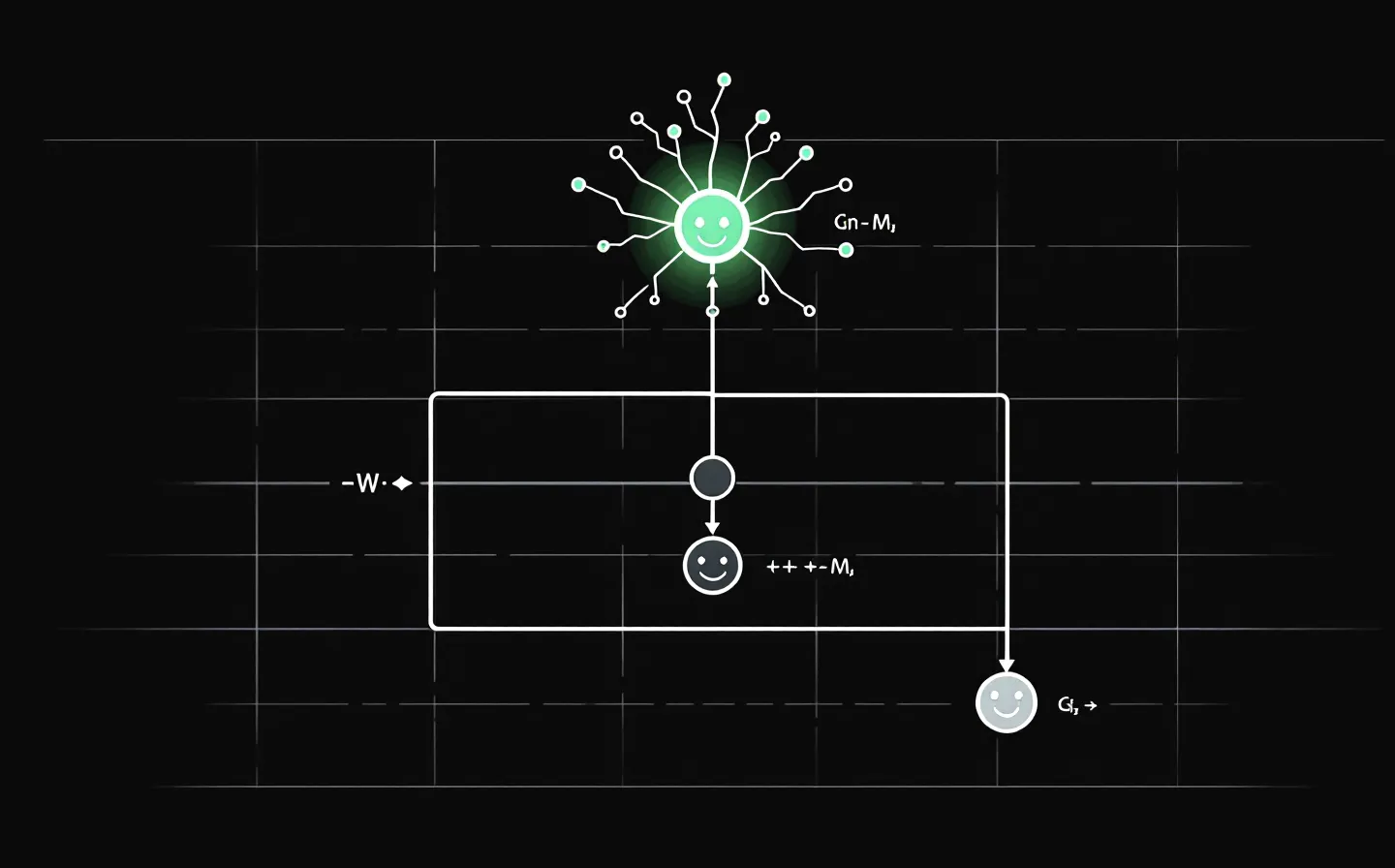
How does Kisspeptin wake a brain cell?
This finding came from cells in a dish, not from a person. Researchers used a lab strength of 100 nanomoles per liter; that unit means a minute protein amount dissolved in liquid. Kisspeptin changed each cell's electric charge by 6 thousandths of a volt, give or take 1 thousandth. That change mattered because the cells fired 87 percent faster, give or take 4%. About 75% answered [2]. Calcium moved inside the cells and changed which charged bits could cross the outer wall. The cells then released short messages with pauses between them. A gland under the brain can answer each message with its own hormone release.
Another set of brain cells seems to keep those releases on time. In sheep, one brain chemical started the cells at once, another stopped them, and kisspeptin passed each timed message onward [8]. A review found that this start-stop system fit what scientists had seen across mammals [9]. For you, the useful point is the timing, not the chemical names.
What happened when men got Kisspeptin-10?
Kisspeptin-10 is the short end piece of the protein. It caused a strong rise in the blood hormone that tells the testes to work. A quick kisspeptin-10 dose through a vein worked best at 1 microgram for every kilogram a man weighed. The rise was clear at 30 minutes. A steady drip also made the hormone releases come more often. At 4 micrograms per kilogram per hour, testosterone rose as well [3]. These kisspeptin-10 blood changes showed that the expected hormone chain had started. The study didn't show that the men felt a benefit.
Kisspeptin-10 doesn't last long because enzymes, proteins in blood that break substances apart, clear it within minutes. That short stay is its main drawback. The dosage page compares it with kisspeptin-54, which lasts longer.
What changed for women given Kisspeptin-54?
Kisspeptin-54, once called metastin, outlasts the shorter form. Women no longer having periods because of quiet brain messages received a steady kisspeptin-54 drip through a vein. Short releases of the hormone needed before an ovary frees an egg came three times as often over 8 hours. Each release became about six times stronger. The largest kisspeptin-54 amount began losing its effect before the drip ended [4]. This showed that a quiet brain message could restart. It didn't show that each woman released an egg.
A second study included 60 women at risk of badly swollen ovaries during IVF. One kisspeptin-54 shot under the skin helped eggs mature in 95% of them. No woman had a critical, severe, or moderate case of that swelling. Live births peaked at 62% among the tested amounts [5]. Close medical care was part of both studies, so neither result tells you what to use.
What did the 2025 Kisspeptin nose-spray test find?
A 2025 study gave kisspeptin-54 as a nose spray, avoiding a needle. Healthy men responded. So did healthy women and women who no longer had periods. In each group, the spray raised the blood hormone that calls on the sex organs. No bad events were reported. The mix kept its tested strength for up to 60 days when stored at 4 degrees C [6]. No earlier test in people had shown that a kisspeptin nose spray could change this blood test. That still wasn't proof of a useful treatment or approval for you.
A wide review searched papers through February 2023 and found 29 human trials. The work covered stopped periods, puberty, ovaries, the placenta, fertility, birth, and nursing. Side effects were less common than with the drugs used for comparison, yet no kisspeptin product had approval [7]. Other reviews linked the brain's kisspeptin timer with body heat and hot flushes [11]. Doctors are also studying blood kisspeptin from the placenta for warning signs during pregnancy [12]. Another review followed the whole chain from brain to gland to sex organs and explained how inherited changes can start puberty too early or stop it [10].
How did cancer work point toward puberty?
Scientists first found the instructions for making kisspeptin-54 in 1996 while studying human melanoma, a skin cancer. The protein seemed to slow the spread of cancer, so its first name, metastin, came from that work. Around 2001, scientists learned that kisspeptin attached to a certain part of brain cells. No one had known which protein belonged there.
Then the meaning changed in 2003. People born with a harmful change in that cell part did not go through puberty because the brain failed to start the needed hormones [1]. Tests in mice and sheep showed that kisspeptin speaks directly to the brain cells that begin this chain [13]. Cancer work found the protein first. The puberty finding showed why that contact matters for fertility. If the cell can't receive kisspeptin, the message doesn't get through.
What questions haven't the studies answered?
Most watched human tests came from a few research centers, including Imperial College London. Large teams elsewhere haven't repeated all the work [7]. Cancer findings also differ with the type of cancer. The body's instructions for kisspeptin seem to slow the spread of many solid tumors. Some liver and breast work points the other way. Kisspeptin can't be called helpful against every cancer.
Rodent tests suggested that kisspeptin might reduce appetite. A human study of women with overweight or obesity found no change in hunger or food eaten. In another rodent study, kisspeptin-10 made artery plaque grow faster. A second drug stopped kisspeptin from acting on artery cells, and the harm stopped too. People haven't been shown to face the same effect [15]. Long-term human safety also remains unknown. That's where the facts end for you.