The main point before the details
What does Kisspeptin do in the body?
See how it starts a hormone chain, what changed in early tests, and what doctors still don't know.
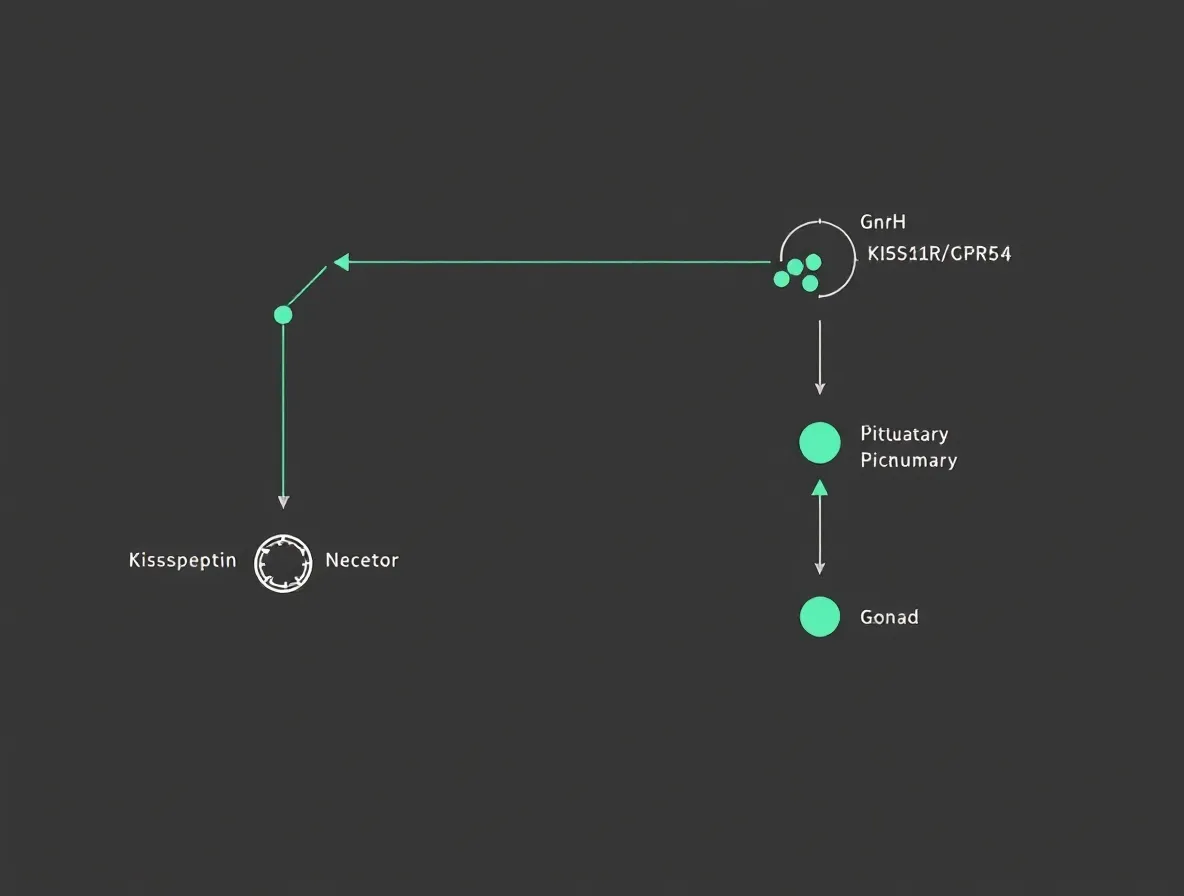
What does Kisspeptin start?
Kisspeptin is a small protein that starts the hormone chain for eggs, sperm, and sex hormones, far before any change you might notice in your daily life. Nerve cells in your brain make the protein. Kisspeptin then wakes other brain cells, which call on the pituitary gland just below your brain. That pea-sized gland sends two hormones into the blood. One helps an ovary release an egg. The other helps eggs and sperm grow. Kisspeptin isn't a sex hormone or a supplement. Medical teams have tested it in IVF patients, women who no longer had periods, and people in studies of sexual desire. No health agency has approved kisspeptin as a medicine. The effects page separates study results from people's own reports.
Kisspeptin starts the chain; it doesn't replace the hormones your body makes later.
What happened to people given Kisspeptin?
Your DNA holds the instructions that let nerve cells make kisspeptin [1]. In healthy men, one vein dose of kisspeptin-10 used 1 microgram per kilogram of body weight. Within 30 minutes, the blood hormone that tells the testes to work rose sharply. Testosterone also rose during a steady drip [3]. Those changes showed that kisspeptin had started the expected hormone chain. They didn't show that the men felt better. In women who had stopped having periods because brain messages were too quiet, kisspeptin-54 restored short hormone releases with pauses between them. The releases became about sixfold stronger and came about threefold more often [4]. This showed that the quiet message could restart, though it didn't prove that each woman released an egg. In one IVF study, a kisspeptin-54 shot under the skin helped eggs mature in 95% of those at high risk of badly swollen ovaries. None had a critical, severe, or moderate case [5].
These people had close medical care. The results can't predict what would happen to you outside a study. The kisspeptin mechanism of action page explains why the first effect may fade.
Is Kisspeptin itself a sex hormone?
No. Kisspeptin carries a message to brain cells that begin the sex-hormone chain. It works one step before the hormone that tells your pituitary gland to act [13]. Kisspeptin doesn't add testosterone or estrogen to your body. It also isn't a dietary aid, despite the words "kisspeptin supplement." Every amount given to a person in the published work came from a medical team in a watched study.
Scientists mainly test two forms. Kisspeptin-54, also called metastin, has 54 protein building blocks. Kisspeptin-10 is the shorter end piece and has 10. Both carry the same last part, which lets them attach to the right brain cells. They don't remain active for the same length of time. The Kisspeptin research page shows where each form was used.
Why isn't Kisspeptin a usual treatment?
As of 2025, no health agency had approved kisspeptin as a drug for any use [7]. Phase 1 tests mainly asked whether it looked safe. Phase 2 tests looked for early signs that it worked. Much larger Phase 3 tests that compare care and track patients longer haven't happened. Work from Imperial College London and its partners included healthy adults, IVF patients, women with stopped periods, and people in studies of sexual desire [7].
The main problem for you is that the effect can wear off. With a high or steady amount, the brain cells may stop answering as well within days. Then the hormone that starts testosterone rises less [4]. When women had kisspeptin-54 shots under the skin twice daily, that hormone rise fell sharply over two weeks [14]. Separate amounts with pauses looked more like the body's natural rhythm than a steady flow. Still, there are no large final trials and no approvals.