From the brain to the sex organs
How does the Kisspeptin Mechanism of Action work?
Follow the message from a brain cell to a gland, then through the blood to the ovaries or testes.
What is the short version of this hormone chain?
The kisspeptin mechanism of action starts when the protein touches the right nerve cells in your brain. Those cells release a hormone in short bursts with pauses between them. The hormone travels a very short distance to the pituitary gland, a pea-sized gland below your brain. That gland sends two more hormones into your blood. One helps an ovary release an egg. The other helps eggs and sperm grow. Both also guide the ovaries or testes as they make sex hormones.
Kisspeptin doesn't give you those later hormones. It tells your body to start its own chain. People born with a faulty receiving part on these brain cells may not begin puberty. The sections below follow the message one step at a time.
What does Kisspeptin do when it reaches a brain cell?
Kisspeptin attaches to a matching place on the outside of certain brain cells. That contact frees calcium inside the cell [2]. The calcium changes which charged bits can cross the cell's outer wall. The change acts like a spark, making the cell fire and send the next hormone message.
This detail came from cells in a dish, not from a person. Researchers used a strength of 100 nanomoles per liter, which means a minute protein amount dissolved in liquid. The cell's electric charge changed by 6 thousandths of a volt, give or take 1 thousandth. The key result was that the cells fired 87 percent faster, give or take 4%. About 75% answered [2]. In altered mice, kisspeptin couldn't raise the two hormones that guide the sex organs. In sheep, kisspeptin placed near the brain released the next hormone into nearby fluid, while a linked blood hormone rose [13]. The animal work helps you see where the message traveled.
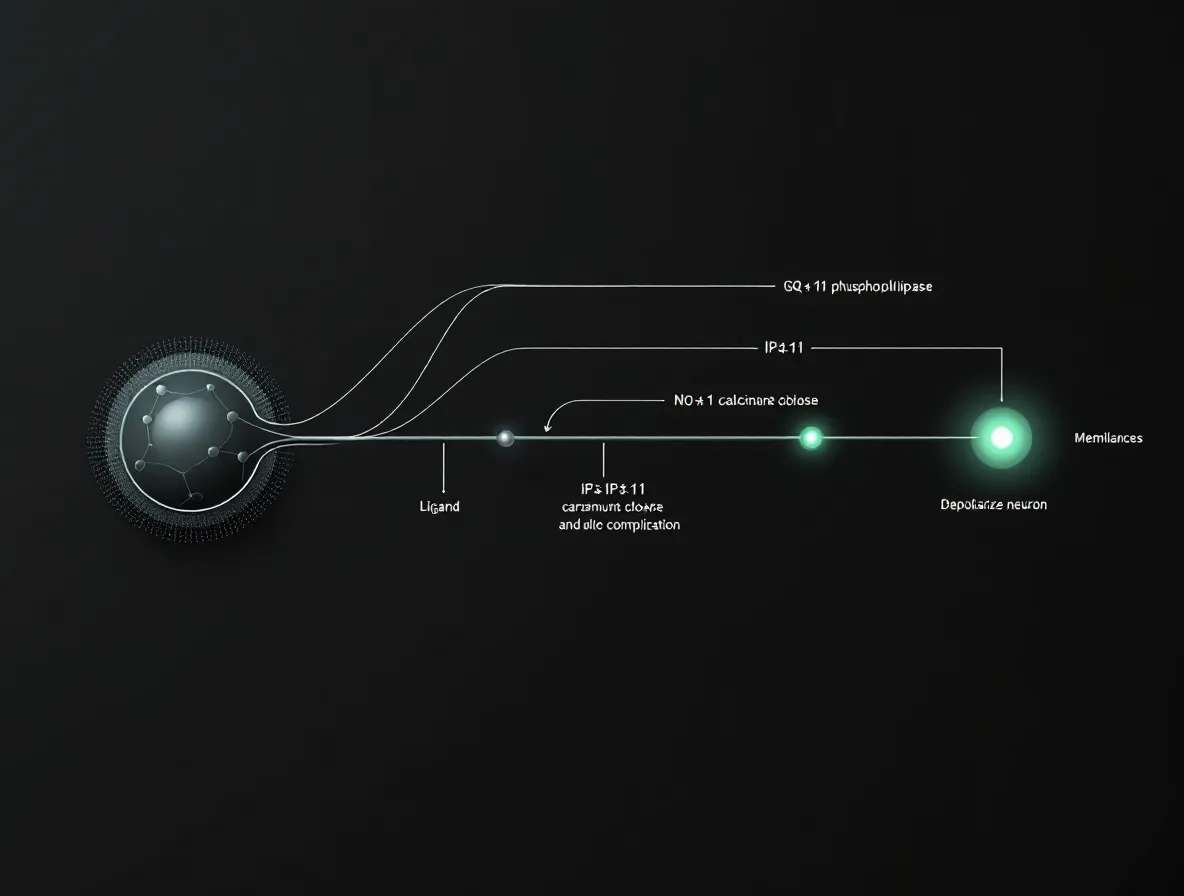
How does the brain message reach the sex organs?
After the first brain cell fires, its hormone reaches the pea-sized gland just below your brain. The whole link runs from brain, to gland, to ovaries or testes. One part tells the next what to do. The gland releases a hormone that helps an ovary free an egg and asks the testes for testosterone. It also releases another hormone that helps eggs and sperm grow. In women, both help guide estrogen and progesterone.
Healthy men given kisspeptin through a vein had a strong rise in these guiding hormones, followed by testosterone [16]. In some families, a harmful change in the brain cells' receiving part stopped puberty because the brain couldn't start the needed hormones [1]. Both findings place kisspeptin at the start of your chain. The protein doesn't supply your sex hormones itself.
How does the brain keep hormone releases on time?
A set of nerve cells deep in the brain seems to work as a timer. In sheep, one brain chemical started the cells at once. Another chemical stopped each brief release. Kisspeptin carried the timed message to the next brain cells [8]. This start-stop pattern creates short hormone releases with quiet gaps between them.
A second set of kisspeptin cells sits farther forward in the brain. Those cells help cause the large hormone rise that frees an egg. The deeper group keeps the regular timing and responds when sex hormones rise or fall [9]. One set keeps time. The other calls for the egg-release rise.
Why does the brain use two Kisspeptin cell groups?
The two groups have different jobs. One group sits deep in your brain and keeps the regular hormone releases going. Those cells also slow the chain when sex hormones are already high [9]. The second group sits farther forward. Rising estrogen wakes that group instead of slowing it. The result is one large hormone rise that helps an ovary release an egg.
A 2024 review laid out these different jobs during egg release [18]. Kisspeptin isn't sent as one steady message. The deep group keeps the rhythm. The forward group calls for the egg-release rise.
What is Kisspeptin, and what isn't it?
Kisspeptin is a protein made from instructions held in your genes. It acts one step before the hormone that calls on the gland below your brain [13]. Kisspeptin isn't that hormone or a drug that copies it. It also isn't a sex hormone. The protein doesn't add testosterone or estrogen. It asks your body to release its own hormones [1].
Kisspeptin isn't a dietary supplement either. Every human amount in the papers was given during a supervised study [7]. Researchers use two main forms: kisspeptin-54, also called metastin, and the shorter kisspeptin-10. Both carry the same last piece, which lets them attach to the right cells. Kisspeptin-10 acts briefly, while kisspeptin-54 stays active longer. The form name tells you which one a study used.
Why can the Kisspeptin effect fade?
The brain cells that receive kisspeptin can grow less willing to answer. A high, steady flow through a vein lost strength before the flow ended [4]. Shots given twice daily also caused a smaller rise in the guiding blood hormone over two weeks [14]. Your body seems made to hear short, spaced messages, not one flow that never stops.
Keep that limit in mind with every result. A strong first change doesn't mean your body will keep making it. The studies found fading, not a safe schedule for you.