Amounts from watched human tests
Which Kisspeptin dosage amounts were studied?
Every amount belongs to one group and one way of giving it. None is a personal dose.
What is the short version about these amounts?
There is no approved personal kisspeptin dosage. This page repeats amounts used by medical teams in watched studies, with the people and the way each amount entered the body kept beside it. The units are tiny. A microgram is one millionth of a gram. Nanomoles and picomoles count protein amounts too small for a kitchen scale; a picomole is one-thousandth of a nanomole. Studies adjust the amount to a person's weight. None of these units tells you what would be safe on your own.
Teams used a drip or quick dose through a vein, a skin shot, or a nose spray. Kisspeptin-10 leaves the blood within minutes, while kisspeptin-54 stays longer. A steady flow may also make your body's reply fade within days. These study facts aren't directions for you.
What Kisspeptin dosage did each group receive?
Early human work sent kisspeptin-54 into a vein at about 4 picomoles per kilogram per minute. The drip ran for 90 minutes. Men later received kisspeptin-10 as one quick vein dose or a steady drip, with close medical checks [3]. Women who no longer had periods received kisspeptin-54 through a vein [4].
For IVF, one skin shot delivered kisspeptin-54. The best live-birth result came after one of the tested amounts [5]. A 2025 study gave kisspeptin-54 as a nose spray [6]. The papers list each small amount in nanomoles per kilogram of body weight. That unit counts protein pieces in the liquid. A figure applies only to the named group and the way the drug entered the body. It isn't a direction for you.
What does Kisspeptin half life tell you?
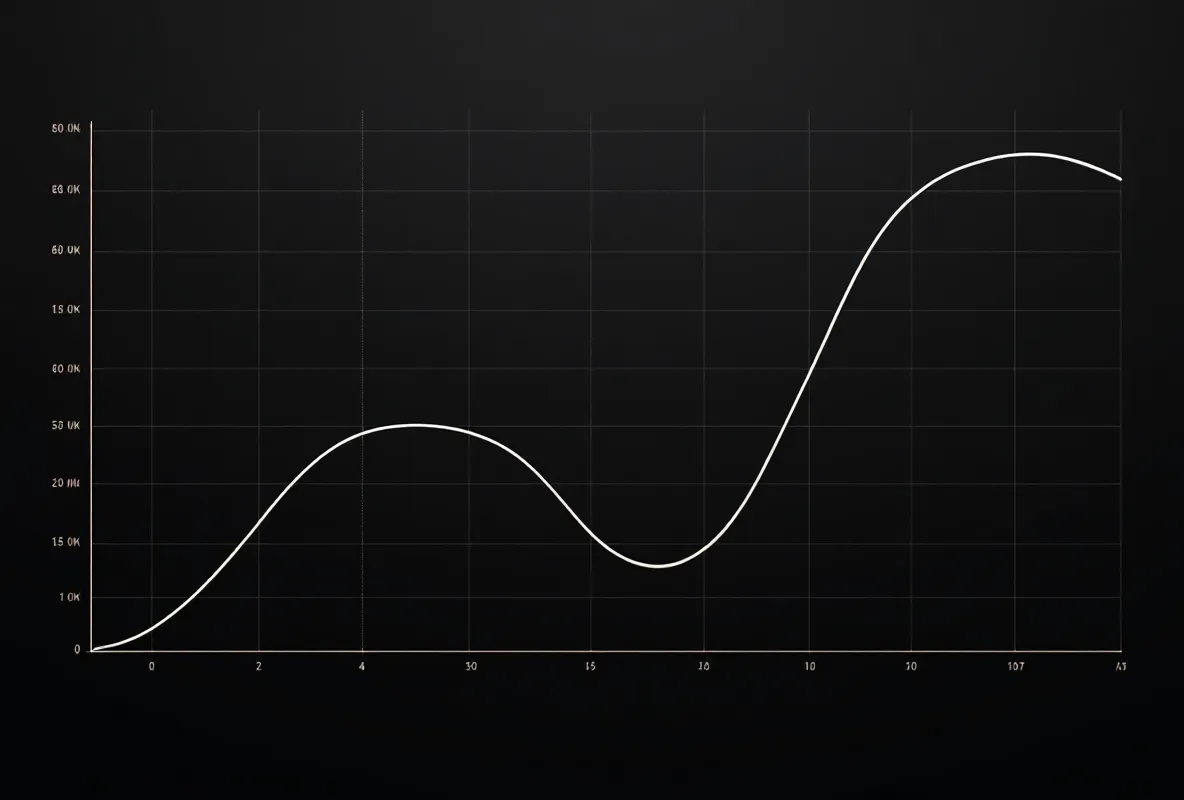
Kisspeptin half life is the time until half the active amount is gone. Kisspeptin-10 has a working half-life of about 4 minutes in people. Blood enzymes, proteins that break other substances apart, clear kisspeptin-10 fast. Kisspeptin-54 lasts much longer, about 27 to 28 minutes [3]. Its larger size slows that breakdown.
The time gap helps explain why kisspeptin-54 appeared in work lasting several hours, including IVF and studies that restarted short hormone releases. Kisspeptin-10 suited brief tests. Its short stay may give brain cells time to rest between well-spaced releases. A steady flow can make those cells less able to answer [4]. Half life explains the study timing. It doesn't give you a schedule.
How did people receive Kisspeptin, including nasal spray?
Human studies used four ways to give kisspeptin: one quick vein dose, a steady drip, a skin shot, or a spray in the nose. The kisspeptin nasal spray is newest and needs no needle. In 2025, a kisspeptin-54 spray raised the blood hormone that calls on the sex organs. Healthy men responded, as did both groups of women. No bad events were reported. The spray kept its tested strength for up to 60 days when stored at 4 degrees C [6].
For you, the practical difference is simple: a spray needs no vein line or shot. The human work remains early, and you can't get an approved spray.
Why did more Kisspeptin stop working as well?
More did not keep working better. On day 1, women received two daily shots of kisspeptin-54 and had a quick hormone rise of about 24 international units per liter. On the 14th injection day, the rise had fallen sharply [14]. A high, steady drip through a vein also lost effect before it ended [4]. The brain cells no longer answered with the same strength.
Those cells seem to answer better after a break between short releases. That matches your body's own rhythm. The finding isn't advice about an amount or timing for you.
Why do the form and the way it enters the body matter?
The two forms don't remain in your blood for the same time. Kisspeptin-10 is a chain of ten protein parts, and blood enzymes clear kisspeptin-10 within minutes. Human studies used a steady drip or one quick vein dose to cause a brief hormone rise [3]. Kisspeptin-54, the form once called metastin, lasts longer. Its lab weight is about 5857 daltons; scientists use daltons to weigh proteins, and the larger size helps this form resist breakdown. One kisspeptin-54 shot under the skin can act for several hours. Researchers chose that form when they studied whether kisspeptin could help IVF eggs mature [5].
The same amount may act differently with a short or long form. Results can also change when kisspeptin enters through a vein, the skin, or the nose. Each figure tells you only what one team used with one group. It isn't an instruction for personal use.
What did studies learn about storage and time in blood?
The main storage finding comes from the 2025 nose-spray study. The kisspeptin-54 spray kept its tested strength for up to 60 days when held at 4 degrees C [6]. That result supported more work on a product that would not need a needle. The spray still wasn't approved. The study didn't give home storage advice for research vials.
Kisspeptin-10 has a shorter life in blood because enzymes cut kisspeptin-10 apart. Storage isn't the reason it clears faster after entering the body [3]. The published work gives no useful home rule for mixing or keeping a vial.